



Start a journey of
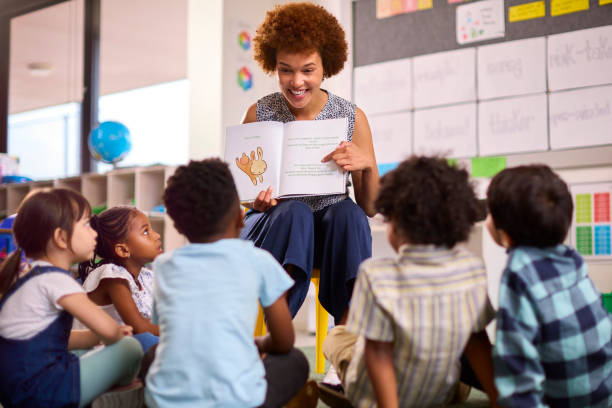
Child Read offers a rich library of evidence-based classroom strategies to help young children become skilled readers.
You can find your sweet home hassle free.

Best Learning

Best Learning

Other Activities
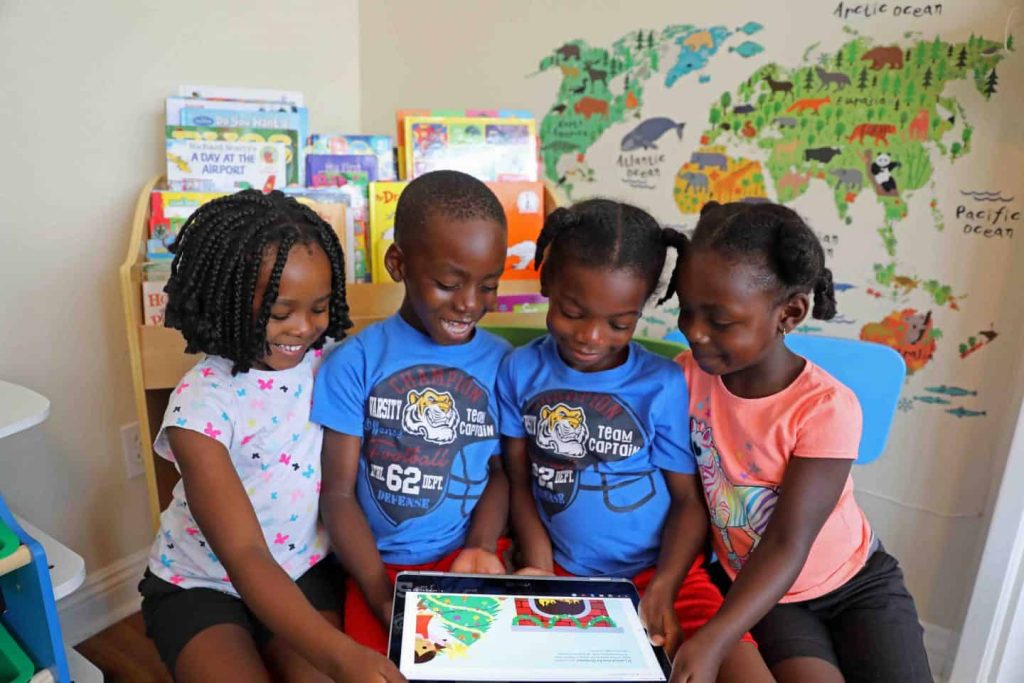
A Place Every Student Should Be Join
We bring the best research-based strategies to teachers, parents, administrators, librarians, childcare providers, and anyone else involved in helping a young child become a skilled reader.
Best Learning
Nutritious Food
Reading Rockets provides free resources about teaching children to read and helping kids who struggle.

Classroom Strategy Library

Looking at Writing
Our Programs for your Kids
Browse our library of evidence-based teaching strategies, learn more about using classroom texts, find out what whole-child literacy instruction looks like, and dive deeper into comprehension, content area literacy, writing, and social-emotional learning.

Choosing and Using Classroom Texts
Content Area Literacy

Social-Emotional Learning

Instructional Routines, Grouping, and the ELA Block

Scope and Sequence
Evidence-Based Instruction and MTSS

ELA Standards
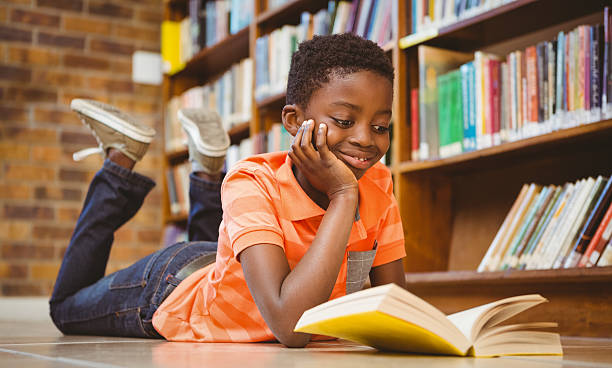
Support Literacy At Home
It is a long established fact that a reader will be distracted by the readable content of a page when looking at its layout. The point of using Lorem Ipsum.
Reading 101: A Guide for Parents
Literacy Tips and Activities
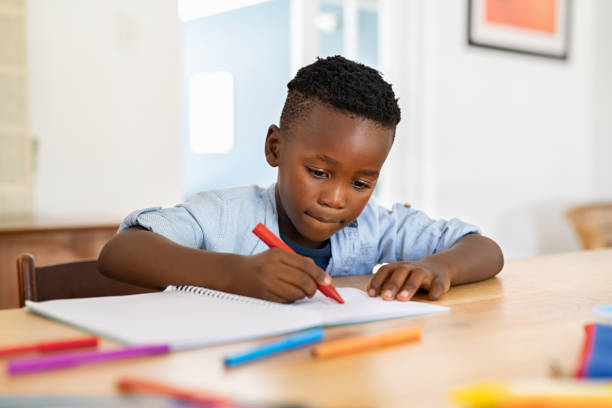
Reading with Your Child

Summer Reading and Learning
Reading and Writing SOS
Connecting with Your Child’s School
Put Research Into Action
From the building blocks of reading to classroom strategies to creating inclusive classrooms — we’re here to help you understand everything you need to know to help young children grow as readers and writers.

Sport Activites

Creative Lessons

Easy Learning
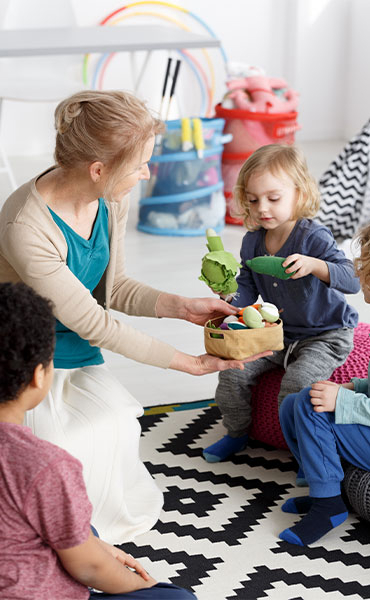
Play-Based Learning
We’re writing about best practices in reading instruction, building background knowledge, and choosing and using children’s books in the classroom and at home.
Reading & Writing
For a child, reading is the process of learning to decode letters and words.
Events & Party
Events and parties are social gatherings organized to celebrate, commemorate, or bring people together for a specific purpose.

What Parents Says

I’ve seen firsthand how reading transforms children. One of my students struggled with focus, but after discovering a book series he loved, he became more engaged in class and even started writing his own short stories. Reading truly unlocks their potential.
Artisan

Reading has helped my son develop empathy. He connects with characters and understands different perspectives. It’s not just about learning words—it’s about learning life.
Artisan

Stories help children understand emotions, develop empathy, and navigate their own feelings. Testimonial: "My child struggled with sharing, but after reading a book about friendship, she started understanding how others feel.
Artisan

Watching kids discover the joy of reading is the best part of my job. One child told me they finally found a book that made them feel understood. It’s amazing how books can shape a child’s world.
Artisan
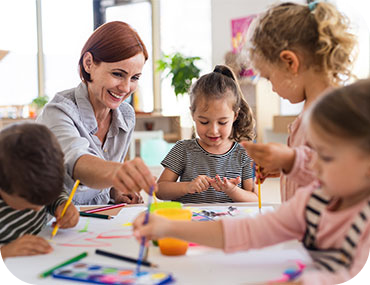
Amazing Moments
Watching a child discover the magic of reading is one of life’s most rewarding experiences. From the first time they recognize letters to the moment they read their first sentence, each step is a milestone.
Practice Based Learning
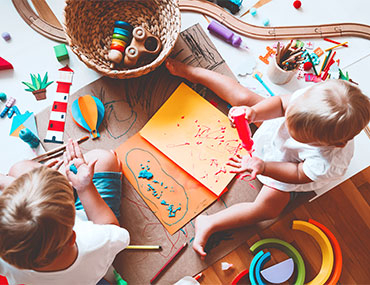
Practice-based learning is an hands-on, experiential approach to education where students learn by actively engaging in real-world tasks, projects, or activities. Instead of relying solely on theoretical knowledge, this method emphasizes doing, reflecting, and improving through repeated practice. It bridges the gap between classroom learning and practical application, helping learners develop critical skills, problem-solving abilities, and confidence.
Science Based Experiments
Mathematics and Experiments
Stay Up To Date On Literacy Education's Latest
Literacy education is the process of teaching individuals to read, write, speak, and think critically, empowering them to communicate effectively and engage with the world. It is the foundation of all learning and a key driver of personal, social, and economic development.
FAQ
Why is early literacy important for children?
Early literacy is crucial because it lays the foundation for a child’s future academic success and lifelong learning. Developing reading skills at a young age enhances vocabulary, comprehension, and critical thinking. It also fosters a love for learning, improves communication skills, and helps children understand the world around them.
What role do schools play in promoting literacy?
Schools play a vital role in promoting literacy by providing structured reading programs, access to diverse books, and skilled instruction. Teachers help children develop phonics, fluency, and comprehension skills through guided reading and interactive activities. Schools also foster a reading culture by organizing book fairs, reading challenges, and literacy events.
What are the signs of reading difficulties in children?
Signs of reading difficulties may include trouble recognizing letters or sounds, struggling to rhyme words, avoiding reading activities, or showing frustration when reading. Children may also have difficulty following instructions, remembering what they read, or blending sounds to form words.
How does technology impact children’s literacy development?
Technology can have both positive and negative impacts on literacy development. Educational apps, e-books, and interactive tools can enhance reading skills and make learning engaging. However, excessive screen time or reliance on non-educational content may hinder literacy growth.