

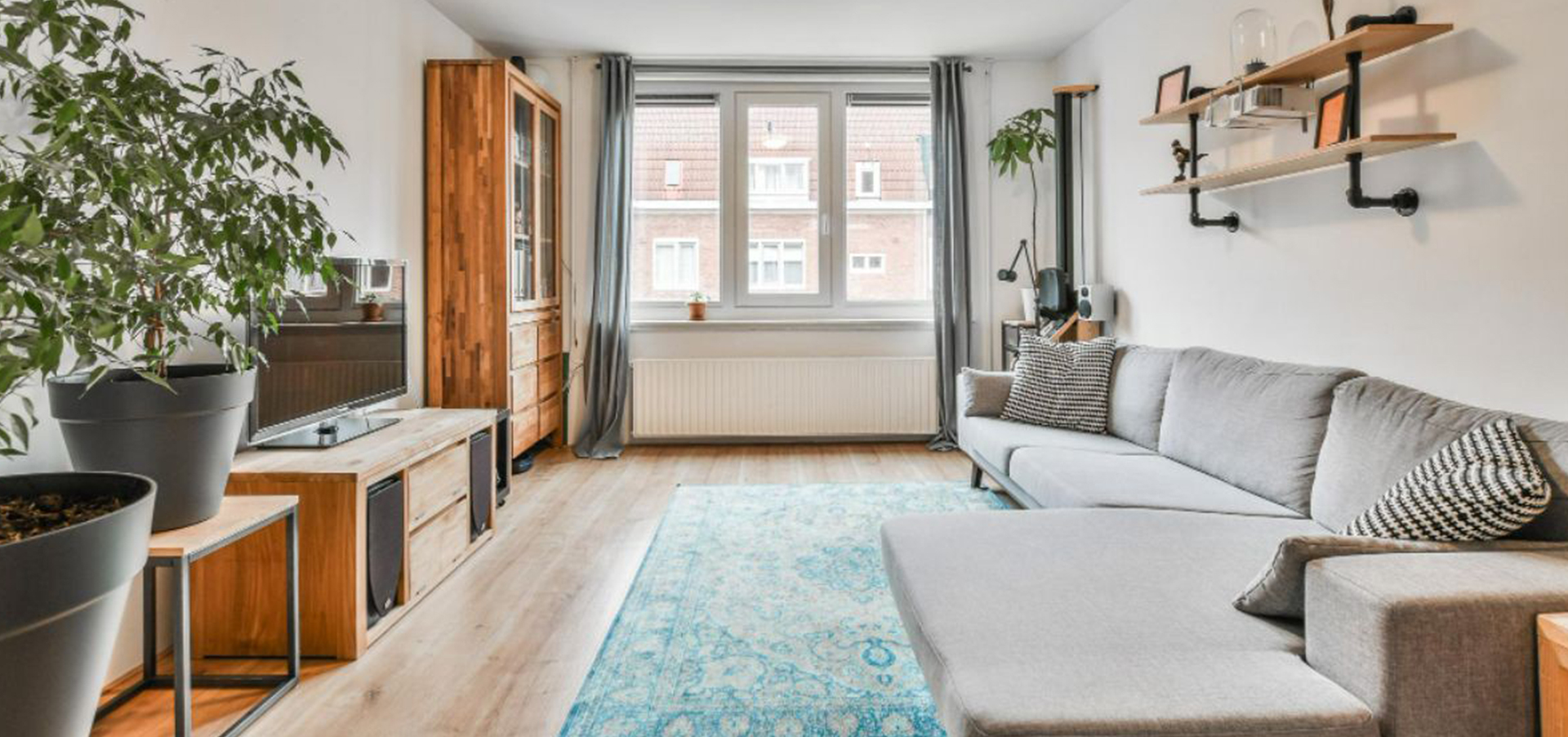
As we age, the decisions we make about our housing become increasingly significant. It’s not just about finding a place to live; it’s about creating a home that supports our changing needs over time. Future-proofing your housing choice involves careful consideration of long-term care needs, understanding the benefits of aging in place, and exploring options for home modifications and accessibility features. Here’s how to ensure your home remains a comfortable and safe space as you age.
Considering Long-Term Care Needs
When planning for your future, it’s essential to consider your long-term care needs. This involves asking questions like:
- Will I be able to manage daily tasks independently?
- What happens if I need assistance with personal care or household chores?
- How will my mobility change as I age?
By addressing these questions early on, you can make informed decisions about your housing. Whether it means choosing a single-story home to avoid stairs, moving closer to family, or considering communities that offer varying levels of care, understanding your future needs is crucial.
Understanding the Benefits of Aging in Place
Aging in place refers to the ability to live in your own home safely and comfortably as you grow older. Here are some benefits to consider:
- Familiar Environment: Staying in a familiar neighborhood can reduce stress and provide a sense of stability. Familiar faces and community support can also enhance your overall well-being.
- Independence: Aging in place allows you to maintain your independence, which is vital for your self-esteem and quality of life.
- Cost-Effectiveness: Moving to a retirement community or assisted living facility can be expensive. Aging in place may offer a more affordable solution, especially if you make proactive modifications to your current home.
- Personalized Care: If you need assistance, hiring in-home care professionals allows you to receive support tailored to your specific needs without having to relocate.
Exploring Home Modifications and Accessibility Features
To successfully age in place, consider making modifications to your home that enhance safety and accessibility. Here are some ideas:
- Bathroom Safety: Install grab bars, non-slip flooring, and a walk-in shower to reduce the risk of falls. Consider a raised toilet or a shower bench for added comfort.
- Entryway Accessibility: Ensure that your entryway is easy to navigate by adding ramps, widening doorways, or installing automatic door openers.
- Kitchen Adjustments: Lower countertops, use pull-out shelves, and install easy-to-reach cabinets to make cooking and meal prep safer and more convenient.
- Smart Home Technology: Incorporate technology that enhances safety and convenience, such as voice-activated lights, security systems, and medical alert devices.
- Open Floor Plans: Consider creating an open layout that allows for easier movement throughout your home, minimizing potential obstacles.
Conclusion
Future-proofing your housing choice is an essential step in ensuring a comfortable and safe living environment as you age. By considering your long-term care needs, understanding the benefits of aging in place, and exploring options for home modifications, you can create a home that adapts to your evolving lifestyle.
At Rightsizing Georgia, we are committed to helping seniors navigate their housing choices and make informed decisions for their future. Whether you’re considering modifications to your current home or exploring new living arrangements, our team is here to support you every step of the way.